

(Above: This photograph describes my feeling of using/describing how to use multimodal storytelling in an academic setting. Becoming digitally literate has felt like jumping out of an airplane.)
If I am being honest, I have a minimal experience with specific multimodal or digital storytelling in an academic setting. I have not utilized online resources for the specific intent of ‘keeping it all on the web’. But, I have utilized technology for personal forms of digital storytelling in the form of social media. I have been using social media since the year 2011 when I created my Facebook profile. I understand that creating and using social media platforms is not traditionally how we are learning digital storytelling, but bear with me.
When we use social media we are signaling to the world that this is our representation of ourselves. Even if your online persona is not the same as what you are like in real life it is still a representation of yourself because for the general observer, that is their only frame of reference to put together who you are. The way I see social media is as follows; it is almost entirely (if not completely) a joke.
Social media does not truly represent you as a person because an online profile can not completely sum up who you are as a person because people are simply too complex. Not to mention that many times people intentionally ‘tell their story’ through a false lens via filters or exaggerations of how they feel about their daily life. To me, this false or exaggerated representation of self has always reflected as overcompensating for what they wish they had or what they would ideally like to be perceived as. Sorry, my rant is almost over but it is interesting to note the ways in which social media is used because it does reflect a form of digital storytelling that many of us can either relate to or despise. I find this form of digital storytelling to be amusing because of the complete ridiculousness of the whole thing. There are no rules, no values, and no true guidelines on how to tell your story via social media. I may sound bitter or pessimistic, but if you look closely at the absurdity of people’s behavior on social media platforms I feel you may begin to see what I am touching on.
What I am most inspired by are those who use social media for the greater good. two prime examples of this are the Twitter accounts of the Dalai Lama and Barack Obama. The two distinguished men have massive Twitter followings and they perpetually use them to spread goodwill and positive advice. Below are two examples of tweets from both men that I have found to be powerful because of their healing, kind, and compassionate nature.
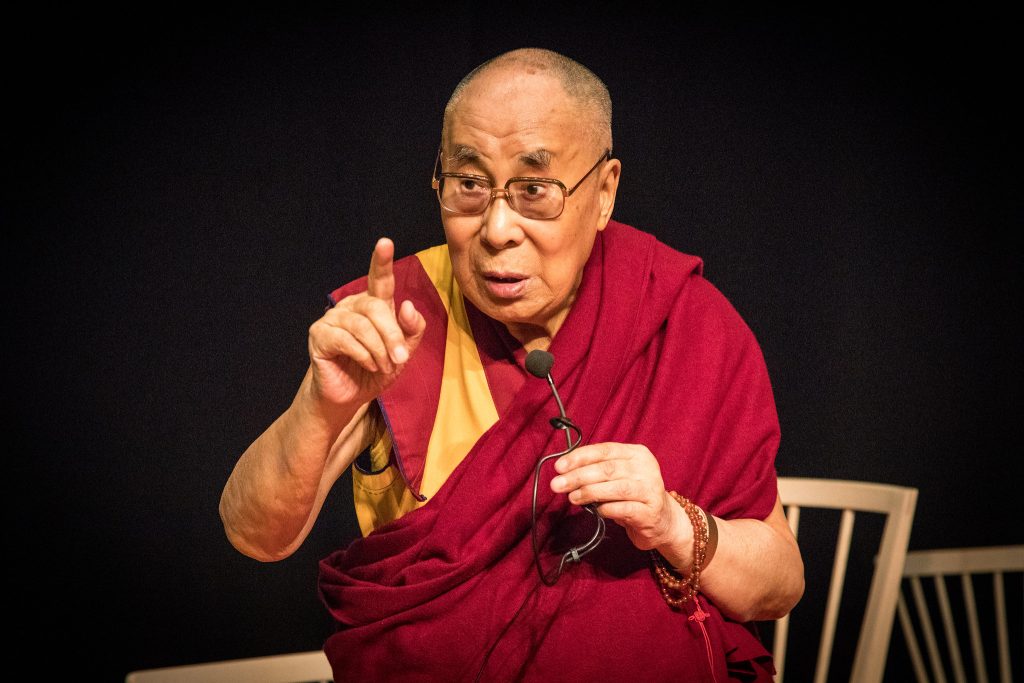
Dalai Lama: “I urge young women to accept leadership roles. We need you to promote love and compassion. Realize my dream—that the 200 nations of the world be governed by women. There’ll be less war, violence, and economic and social injustice because strength is rooted in love and compassion.” (March 8, 2020)
Barack Obama: “Protect yourself and your community from coronavirus with common sense precautions: wash your hands, stay home when sick and listen to the @CDCgov and local health authorities. Save the masks for health care workers. Let’s stay calm, listen to the experts, and follow the science.” (March 4, 2020)

These two men, one the spiritual leader of the Eastern half of the planet Earth and the other our former President, are using their platforms to promote actual values, ideals, and in Obama’s case precautionary measures for a developing issue in our country. I am not saying that these two are the gold standard or guiding light among every person in power, but I continually see them use their voices to represent those that do not have as strong of a voice as theirs. It is empowering to those who do not have a voice and to those who want to defend those that don’t always have the opportunity to have their voices heard.
The Dalai Lama is promoting Women Empowerment and Barack Obama is promoting safety tips during an international pandemic crisis (“crisis”). You can argue all you want about the men themselves but I do not think you can argue their messages of compassion and positivity.
Their example inspires me to promote the same ideals in my classroom and to also promote students using their voice for good. So often we see today people using their voice to cancel other voices out and it is truly disheartening and disappointing. By showing that some people use their platforms and voices for good, I see the example being set by the Dalai Lama and Obama being both infectious and advantageous for writers attempting to use multimodal forms of writing such as social media.
 George Connelly's Professional Blog
Hi George,
Thanks for being honest about your experiences in not utilizing digital means of storytelling in the classroom. That’s certainly not a bad thing–you did give many different means of wanting to implementing varying modes and that’s great to want to do. I agree with closing statements that media should be used as a tool for good and not keeping the disappointing route that takes as an online presence now. Hopefully that may change for the better in the future. Thanks for sharing!
-Silbi
LikeLike
George, I really appreciate your review of Obama’s and Dali Lama’s use of Twitter as a platform for their own storytelling.
LikeLike